Watch the middle fill up
What turbo changes, and what it does not
Most boards have a switch that makes rounds go faster. On some it is called turbo, on others quick or fast mode, and on a few it is a slider rather than a toggle.
It shortens the fall animation. That is the entire mechanical change.

One board, fourteen bounces, fifteen slots
What it does not touch
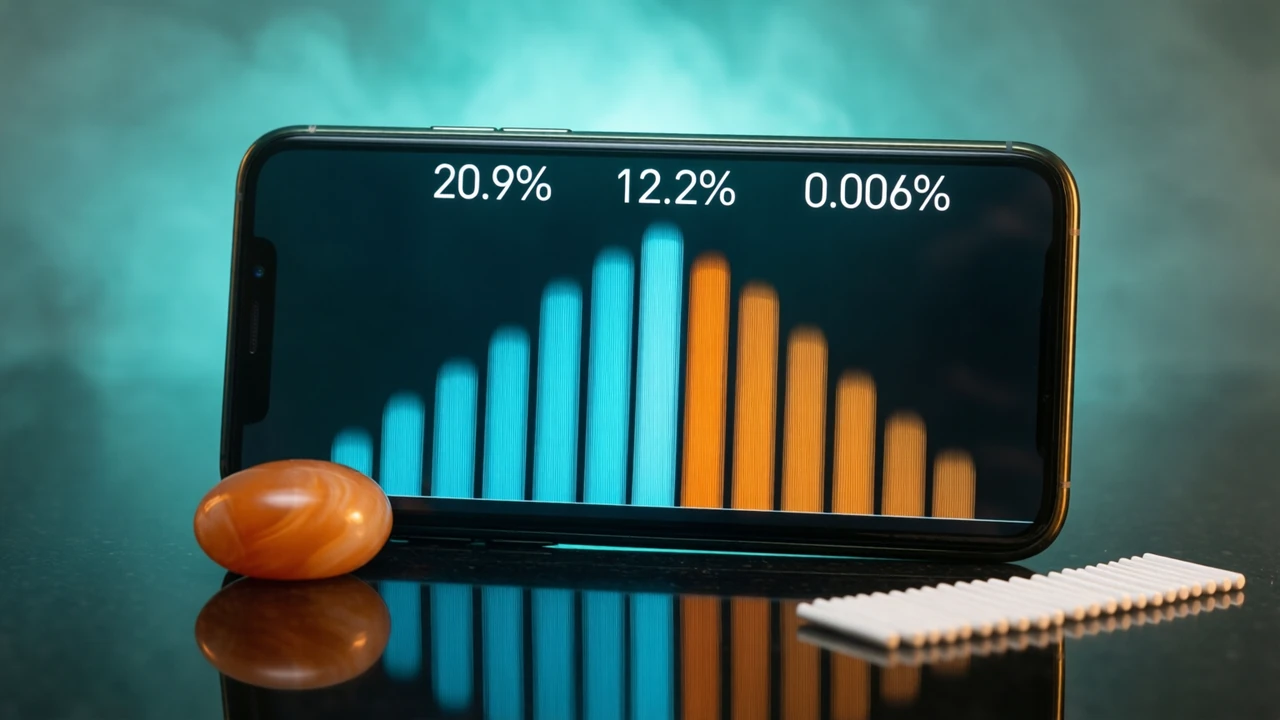
The odds. Fourteen rows, fifteen slots, the same distribution. Nothing about the fall depends on how long it is drawn for.
The ladder. Green, amber and red pay exactly what they paid before.
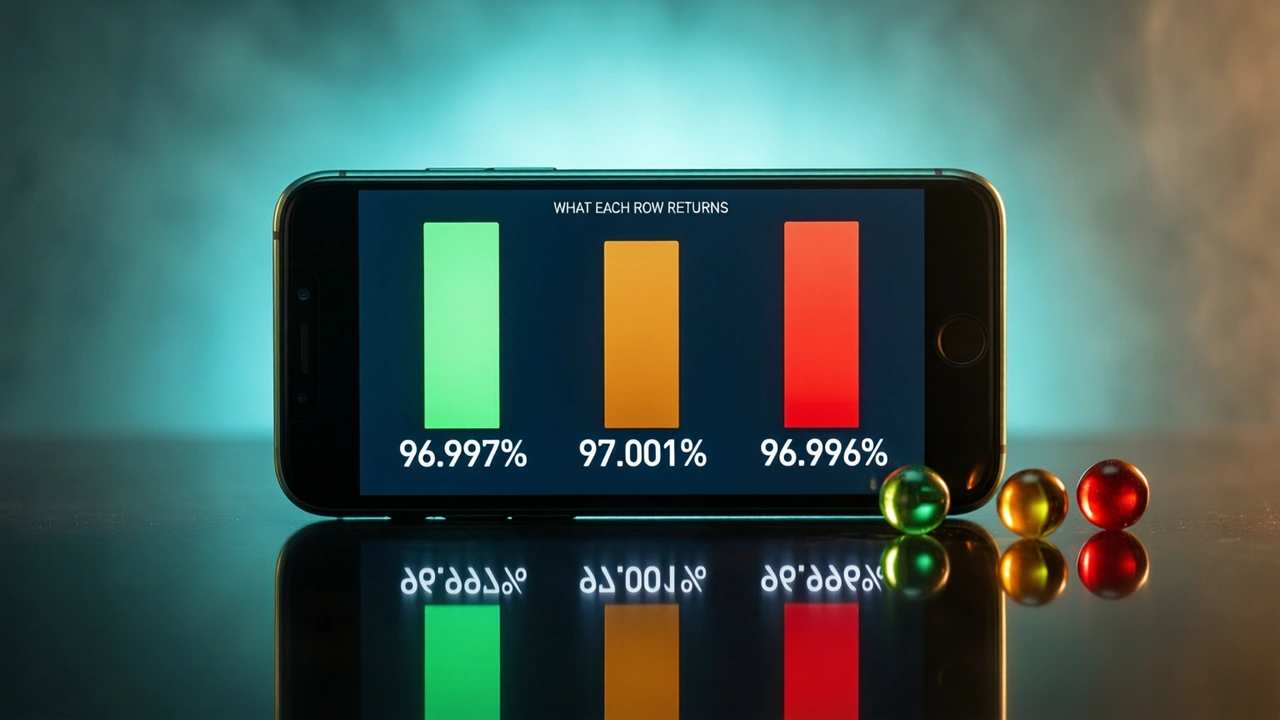
The return. All three ladders sit a hair under 97% at any animation speed.
If you were hoping turbo hides a different rule set, it does not. The result is decided the same way; you are watching less of it.
One board, fourteen bounces, fifteen slots
Why the setting exists
Two honest reasons.
The animation is entertainment, and entertainment has a length people tire of. Once you have watched two hundred balls fall, the fall is no longer the interesting part, and a board that insists on showing it is wasting your time.
And auto-play needs it. A board running rounds unattended cannot spend three seconds on each drop, so speed and automation usually arrive on the same screen.
One board, fourteen bounces, fifteen slots
Why it is still the most consequential switch on the board
Here is the part worth sitting with.
The return figure — call it 97% — is a rate per round staked. It is not a rate per hour, and it is not a rate per session. What you actually lose over an evening is the house margin multiplied by the total you put through the board, and the total you put through the board is rounds per hour times stake.
Turbo raises rounds per hour. Nothing else in the equation moves.
A board taking three seconds a round runs 1,200 rounds an hour. The same board on turbo might run three or four times that. At ₹100 a round, the first puts ₹120,000 through the board in an hour; the second puts four or five lakh through. Three percent of each is a very different number.
The odds did not change. The exposure did.
One board, fourteen bounces, fifteen slots
The same argument, stated once more
Variance is what makes a short session winnable. The fewer rounds you play, the further your result can sit from the long-run average — which is why anyone ever walks away ahead. More rounds pulls the outcome towards 97%, and 97% is a loss.
Turbo is a button that gives you more rounds. Whatever you think about that is a decision about how you want to spend an evening, not about the game's fairness — but it should be a decision, not a default you clicked past.
One board, fourteen bounces, fifteen slots
Auto-play, briefly
The same logic applies harder. Auto-play removes the pause between rounds and the moment where you decide whether to have another one. Boards that offer it usually let you set a stop condition — a number of rounds, a loss limit, a win target. Setting one before you start is the difference between a session with an end and a session that ends when something else stops it.
One board, fourteen bounces, fifteen slots
What to do with the switch
Leave it off while you are learning the board, because watching where balls land is the fastest way to internalise the distribution and a blurred fall teaches you nothing.
Turn it on if you find the animation tedious and you have already decided how long you are playing for and with what.
The switch itself is neutral. What it does to a session is not, and the board will not mention that.