Zoya Kazi
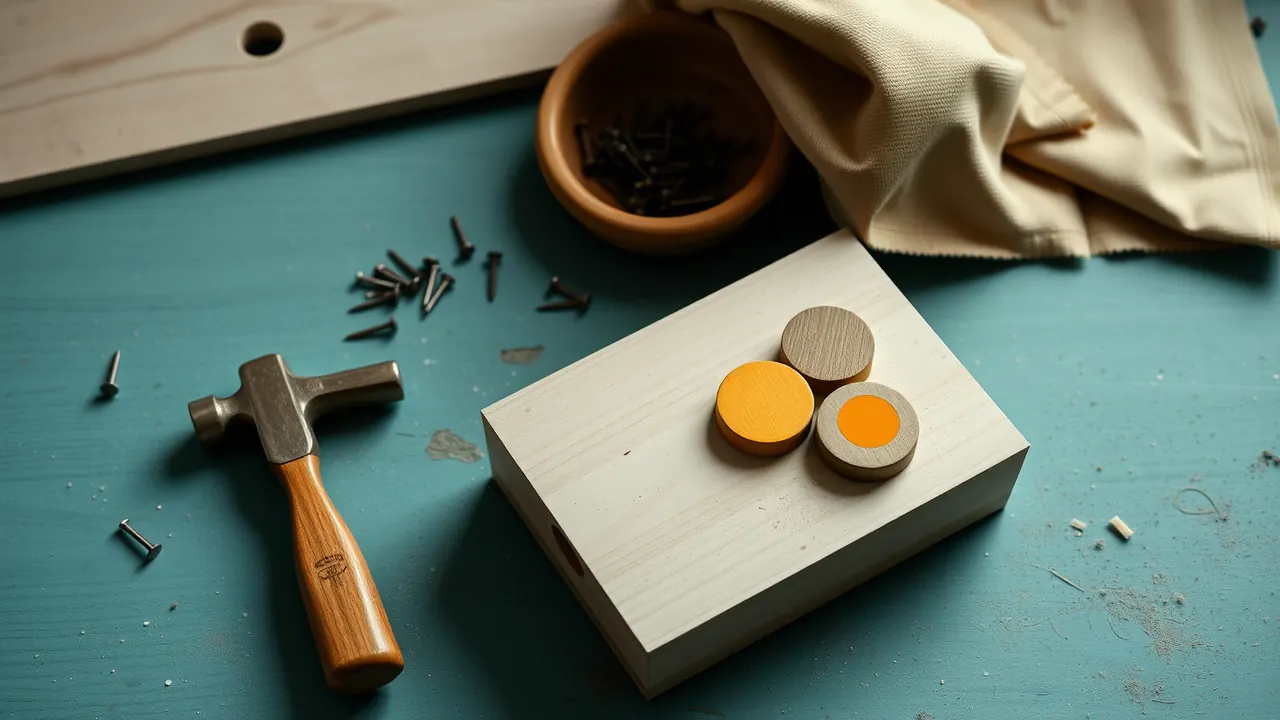
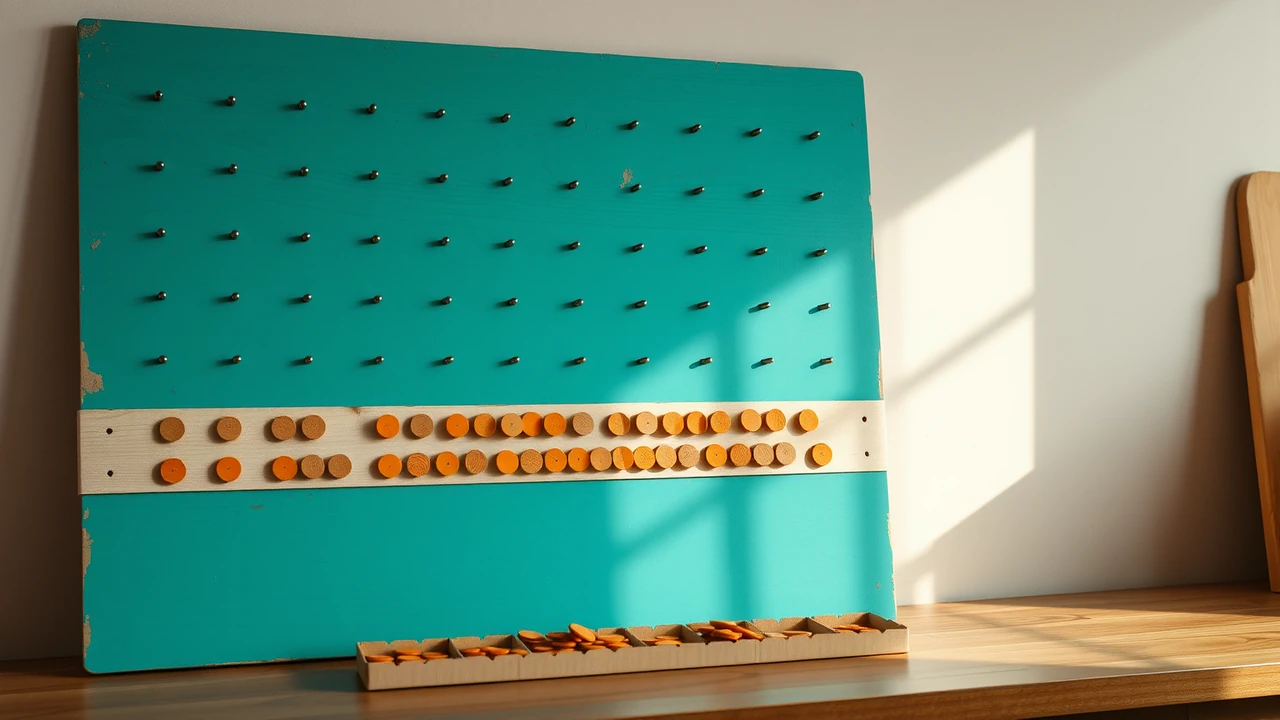
Zoya writes the parts of this site that involve making something and watching what happens. A board of panel pins on a sheet of ply, a hundred discs, and a tally sheet settle arguments that a table of percentages does not.
One board, fourteen bounces, fifteen slots
What she writes
The build-it-yourself piece, and by extension everything on this site about the difference between seeing a distribution and reading about one. Her position is that most people who lose money to a pin board have never watched one fill up, and that twenty minutes with a hammer fixes more misconceptions than any amount of explanation.
It is her argument, too, that a lobby's practice mode is a real instrument and not a shop window — and, in the same breath, that it cannot rehearse the only part of a real session that matters.
One board, fourteen bounces, fifteen slots
How she works
She prefers claims that can be checked on a kitchen table over claims that require trusting a source. Where this site says a distribution looks like something, the intended test is that you can produce the same shape yourself with pins, and that if you cannot, we got it wrong.
Where a claim cannot be tested that way — anything involving a cashier, a bonus term or a provider's internals — she says so and stops, rather than reaching for an authority.
One board, fourteen bounces, fifteen slots
A note on why the DIY piece exists
It is not a strategy page and there is nothing to practise. It is there because a pile of discs assembling itself into a bell curve is the most persuasive argument available that a slot is never "due", and that belief is the one that costs readers money.